Does a Dog’s Prior Bite History Make a New Injury Claim Stronger in Florida?
Yes, in most cases it does. Florida already holds dog owners strictly liable under Florida Statute §767.04, even for a first bite. When a dog has a documented history of aggression, that record can establish owner knowledge, support a dangerous dog designation, and significantly strengthen the injured person’s legal position. Florida is one of the strictest states in the country when it comes to dog bite liability. Owners are held responsible even when their dog has never bitten anyone before. But what happens when the animal has already shown aggression, been involved in a prior incident, or been officially labeled dangerous?
A dog’s history of aggression radically transforms the landscape of a dog bite injury claim in Florida. Beyond basic liability, the existence of prior incidents or an official ‘dangerous dog’ designation strengthens the victim’s legal position against the owner and their insurance carrier.
Understanding how these past events influence a case is essential to securing fair compensation when an attack involves an animal with a known pattern of aggressive behavior.
Key Takeaways About Prior Dog Bite History in Florida
- Florida’s strict liability rule under §767.04 applies even when a dog has no prior history, but a prior record can significantly strengthen a claim
- Florida Statute §767.11 defines what qualifies as a “dangerous dog” under state law and triggers specific owner obligations
- Once a dog is officially designated dangerous, the owner must register, confine, and monitor the animal under Florida Statute §767.12
- If a designated dangerous dog attacks again and causes severe injury, the owner may face felony charges under §767.13
- Documented prior incidents and owner knowledge of aggression can affect civil liability even without an official designation
- Acting promptly after an attack may help preserve records of prior history before they become harder to access
What Do the Numbers Reveal About Dog Bite Injuries in the United States?
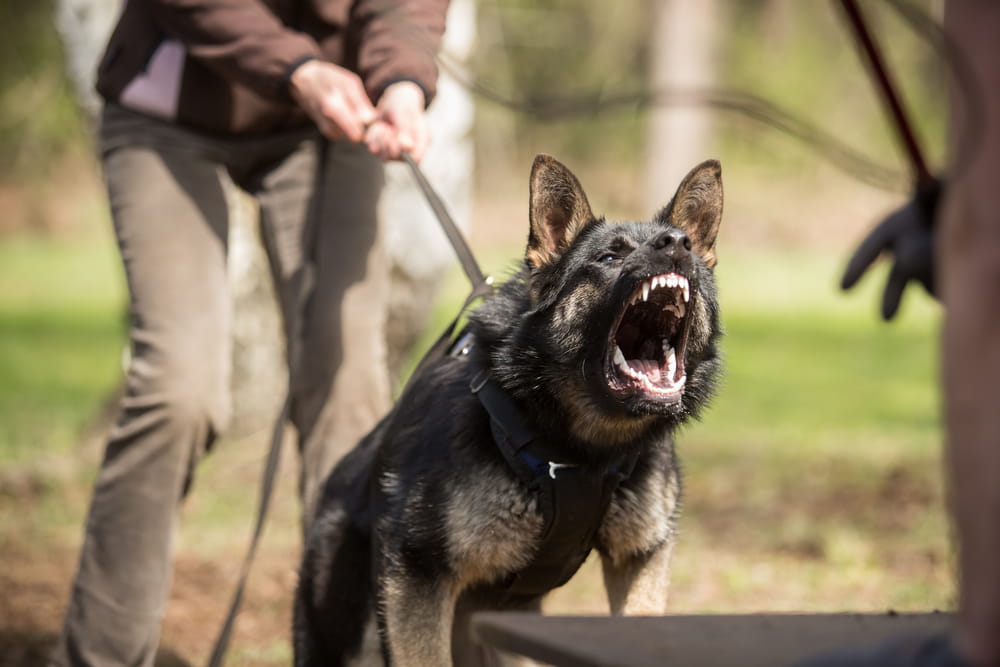
The scale of dog bite injuries helps explain why Florida has some of the most direct liability laws in the country.
- The CDC reports that approximately 4.5 million Americans are bitten by dogs each year
- Around 800,000 of those bites require medical attention, and roughly half of all victims are children
- Dog bites consistently rank among the most common causes of emergency room visits related to animal contact in the United States
When a dog has already shown aggression, the risk of a serious or repeated attack is a recognized concern under Florida law. That recognition is built directly into the state’s dangerous dog statutes.
What Makes Florida’s Dog Bite Liability Law Different From Other States?
Florida holds dog owners strictly liable for bite injuries, even when the dog had no prior history of aggression. Most states give owners at least one incident before liability attaches. Florida does not. If the bite happened in a public place or somewhere the victim had a legal right to be, the owner is responsible, no prior record required.
How Does Florida’s Strict Liability Rule Apply to Dog Bite Claims?
Under Florida Statute §767.04, a dog owner is liable for damages if their dog bites someone in a public place, or in a private place where the person was lawfully present. This applies regardless of whether the dog had ever shown aggressive behavior before.
The owner does not get a pass simply because the dog had no prior record. Liability attaches from the first incident.
Does the “One Bite Rule” Apply in Florida?
No. Florida does not follow the “one bite rule” used in some other states, where an owner may escape liability for a first bite if they had no prior knowledge of aggression.
Florida’s strict liability standard removes that defense entirely. Even a dog with no history can result in full owner liability. When a prior history of aggression does exist, it adds a layer of established owner knowledge that often becomes central to how the claim develops.
What Is the “Dangerous Dog” Designation Under Florida Law?
A dangerous dog designation is an official classification made by local animal control after investigating a reported incident. Once a dog receives this label, the owner faces a specific set of legal obligations, and the consequences of another attack become significantly more serious, both in civil court and under criminal law.
How Does a Dog Become Officially Classified as Dangerous in Florida?
Under Florida Statute §767.11, a dog may be classified as dangerous if it has aggressively bitten or attacked a person on public or private property, severely injured or killed a domestic animal off the owner’s property on more than one occasion, or approached a person in a menacing way without provocation that suggests attack behavior.
Animal control investigates reported incidents and makes the classification determination under Florida Statute §767.12. The owner may contest the designation, but once confirmed, specific legal obligations apply immediately.
What Are the Legal Obligations for Owners of Dangerous Dogs in Florida?
Once a dog receives an official dangerous dog designation, the owner must register the animal with local animal control, keep it in a proper enclosure on the property, display a visible warning sign, and keep the dog muzzled and on a leash no longer than six feet when outside the enclosure.
The owner must also notify animal control if the dog escapes, bites someone, is sold, or if the owner relocates. Failing to meet these requirements carries criminal penalties on its own, separate from any civil liability arising from an attack.
How a Dangerous Dog Designation Changes Owner Obligations in Florida
| Requirement | Before Official Designation | After Official Designation |
|---|---|---|
| Registration with animal control | Not required | Mandatory |
| Enclosure standards | No specific requirement | Proper enclosure required |
| Warning signage | Not required | Visible sign at enclosure required |
| Leash and muzzle rules | Standard leash laws | Muzzled, max 6-foot leash off property |
| Notification duties | None specific | Must notify if dog escapes, bites, is sold, or owner moves |
| Criminal exposure for repeat attack | Civil liability only | Potential second-degree felony under §767.13 |
How Does a Dog’s Prior Aggression Affect Liability in a Florida Injury Case?
 Prior aggression shifts the argument from whether the owner is liable to how much they knew and when. Under Florida’s strict liability rule, a first bite already creates responsibility. When a documented history of aggressive behavior exists, that record often makes it significantly harder for an owner to argue they had no reason to anticipate the risk.
Prior aggression shifts the argument from whether the owner is liable to how much they knew and when. Under Florida’s strict liability rule, a first bite already creates responsibility. When a documented history of aggressive behavior exists, that record often makes it significantly harder for an owner to argue they had no reason to anticipate the risk.
What Role Does Owner Knowledge Play in Repeat Attack Claims?
Owner knowledge is a key factor in cases involving dangerous dogs and repeat attacks. When a dog has previously exhibited aggressive behavior and the owner was aware of it, that knowledge becomes relevant to how liability is evaluated in a civil claim.
In many cases, this means the owner cannot reasonably argue they were unaware of any risk. Courts and juries often consider whether the owner took meaningful steps after learning of prior aggression or whether they allowed the same conditions that led to the first incident to continue unchanged.
Can Prior Aggression Without an Official Designation Still Strengthen a Claim?
Yes, in many cases it can. An official dangerous dog designation is not required for prior history to matter in a civil case. Evidence that a dog previously snapped at, chased, or injured a person or animal, and that the owner had knowledge of that behavior, may still be introduced to support the argument that the owner understood the risk.
Neighbor complaints, prior police or animal control reports, veterinary notes, or communications from the owner describing the dog’s behavior may all be relevant. An attorney handling Florida dog bite claims can help identify what prior evidence exists and how to pursue it.
What Are the Legal Consequences When a Designated Dangerous Dog Attacks Again?
A second attack by an officially designated dangerous dog carries consequences that go well beyond a standard injury claim. The owner may face both civil liability for the victim’s damages and criminal charges under Florida law, including the possibility of a felony. That combination changes the legal landscape of the case considerably.
How Does a Prior Designation Affect Both Criminal and Civil Liability?
Under Florida Statute §767.13, if a dog that has been officially designated as dangerous attacks and causes severe injury or death, the owner may face second-degree felony charges.
That criminal exposure matters in the civil case as well. A charge or conviction tied to the same incident can become a meaningful factor when evaluating damages and the overall strength of an injury claim. Repeat attacks also make certain defense arguments, particularly those involving lack of knowledge, significantly harder to sustain.

What Challenges Do Victims of Repeat Dog Attacks Typically Face?
Even when a prior history of aggression is well-documented, injured people often encounter real resistance from the dog owner’s insurance carrier.
How Do Insurance Companies Respond When a Dog Has a Prior Incident Record?
Insurers handling repeat attack claims may take a more aggressive approach rather than a cooperative one. Common responses include disputing the severity of injuries, challenging the reliability of prior incident records, arguing the victim provoked the dog, or claiming the dangerous designation applied to different conduct than what caused the current attack.
An attorney familiar with repeat dog attack liability can help anticipate these arguments and work to counter them with the available documentation.
The Hidden “Coverage Trap”
Most homeowner policies have strict rules regarding dog breeds and prior bite history. If an owner failed to disclose their dog’s aggressive past to their insurance company, the insurer might deny coverage for your claim, claiming “material misrepresentation.”
This is why having an attorney who investigates the policy coverage, not just the bite, is vital. We don’t just look for a policy; we verify that the policy is valid and applicable.
Why Is It Important to Document the Dog’s Prior History as Early as Possible?
Animal control records, prior incident reports, and owner communications may not always remain accessible. Records can be purged, witnesses to prior incidents become harder to locate, and disputes can arise about what was officially filed.
Acting promptly after a dog attack may help preserve that prior history before it becomes harder to establish. For more on how these cases are typically handled, see our personal injury page.
What Are the Filing Deadlines for Florida Dog Bite Claims?
Following the 2023 tort reform in Florida, the statute of limitations for personal injury claims, including those involving dog bites, has been reduced to two years.
How Long Do You Have to File?
It is critical to act within this timeframe, as failing to file your claim within two years of the date of the incident typically results in a permanent loss of your right to pursue compensation in court. While there were historically longer filing periods for certain statutory claims, the current legal standard in Florida is a two-year window. Consulting with an attorney as soon as possible is the most reliable way to ensure your claim is protected.
Are There Circumstances That May Affect the Deadline?
In limited situations, the filing period may be “tolled” or paused. This may apply when:
- The injured person is a minor: The clock may not start until the victim reaches the age of majority.
- Fraudulent concealment: The owner deliberately withheld information about the dog’s history or identity.
- Specific legal conditions: Other rare statutory conditions are present.
An attorney can review whether any of these factors apply to your specific case to determine if an exception to the two-year rule exists.
What Steps May Help After a Dog Attack in Florida?
Most people are focused on getting medical attention immediately after an attack. That is always the right first priority. A few additional steps taken in the days that follow may also support a future claim.
Many people in this situation find it helpful to:
- Report the incident to local animal control and request a copy of any report filed
- Ask whether the dog has been involved in prior incidents or carries any official designation
- Photograph injuries as they develop, not only immediately after the attack
- Gather contact information for any witnesses present during or after the incident
- Avoid discussing details of the attack with the dog owner’s insurance company before speaking with an attorney
Ask Your Insurance Attorney
Q: What if the dog only attacked other animals before — does that count as prior aggression in Florida?
Under Florida Statute §767.11, a dog that has severely injured or killed a domestic animal off the owner’s property on more than one occasion may qualify for a dangerous dog designation. That documented pattern of behavior toward other animals may also be relevant in a civil case to show the owner had reason to recognize the risk the dog posed.
Q: Can a landlord be held responsible if a tenant’s dog with a known aggression history attacks someone?
In some situations, yes. If a landlord was aware that a tenant’s dog had a history of aggressive behavior and took no steps to address it, there may be a basis to argue the landlord shares responsibility for resulting injuries. This is a highly fact-specific question that depends on what the landlord knew and when. An attorney can evaluate whether a third party may share liability in a given case.
Q: What if the dog owner argues the dog was provoked before the bite?
Provocation is one of the limited defenses available under Florida’s strict liability statute. However, the legal standard for what qualifies as provocation is specific. Accidentally startling a dog or simply walking near it typically would not meet that threshold. An attorney can review the circumstances to assess whether a provocation argument is likely to hold up and how to respond to it effectively.
How to Verify a Property’s “Dog History”
Before moving into a new neighborhood or letting your children play near a neighbor’s yard, you have the right to know if there is a documented risk. In Broward County, dangerous dog designations are public records. You can check for incident reports or dangerous dog classifications by contacting your local County Animal Care division. Taking a few minutes to check the “dog history” of your area is a simple but powerful step toward keeping your family safe.
Florida Dog Bite Questions Answered by Attorneys
Does Florida law cover injuries from dogs that don’t bite, like being knocked down?
Florida’s strict liability statute under §767.04 specifically covers dog bites. Injuries caused by other dog behavior, such as jumping on someone or knocking them down, may still support a claim under a general negligence theory, particularly when the owner had prior knowledge the dog behaved that way. An attorney can help determine which legal path applies to the specific circumstances of the case.
Can I still file a claim if I have no evidence the dog had a prior aggressive history?
Yes. Florida’s strict liability rule does not require a prior history of aggression. The owner is liable for a bite regardless of the dog’s past behavior. Prior history becomes relevant to strengthening a claim, supporting a dangerous dog argument, and potentially expanding the scope of what may be pursued. The absence of prior history does not eliminate the right to file.
What if there are no witnesses to confirm what the owner knew about the dog’s behavior?
The absence of direct witnesses does not necessarily prevent establishing prior owner knowledge. Animal control records, police reports, veterinary notes, neighbor accounts, and communications from the owner about the dog’s behavior may all help establish what was known and when. An attorney can work to identify and gather that type of evidence.
Does a dangerous dog designation follow the dog if it is sold or given to a new owner?
Under Florida law, the dangerous dog classification is tied to the animal itself. If an owner transfers the dog, they are required to notify local animal control and disclose the designation to the new owner. Failing to do so carries its own legal consequences, and the designation generally remains attached to the dog regardless of any change in ownership.
When the First Attack Should Have Been the Last Warning
Dog owners in Florida who ignore a prior history of aggression are not just taking a moral risk. Under state law, they may be taking on a significantly greater legal burden the next time their animal injures someone. At Your Insurance Attorney, we work to pursue claims for people seriously injured by dogs in Florida, including those seeking a Fort Lauderdale dog bite attorney, including cases where prior incidents point to a pattern the owner had every reason to address.
If you or someone close to you was hurt in a dog attack, speaking with our team may help clarify what options are available.
Contact Your Insurance Attorney or call 888-570-5677 for a case review.

Anthony Lopez,
Dog Bite Attorney in Florida