Florida Boating Under the Influence Injury Claims: Can a Criminal BUI Charge Help Your Civil Case?
If a boat operator was drinking during an accident in Florida, their criminal BUI charge may directly strengthen your civil injury claim, even without a conviction.
Each case is different — speaking with a lawyer can help clarify how a BUI record may affect your specific claim.
Florida boating under the influence related injury claims sit at the intersection of two separate legal systems: criminal law and civil liability. Most people know that a BUI arrest can lead to fines or jail time.
Fewer people realize that the same conduct, operating a vessel while impaired, can also become the foundation of a civil negligence claim filed by anyone injured in the accident.
Miami’s waterways are among the busiest in the country. Biscayne Bay, the Miami River, Government Cut, and the waters surrounding the Florida Keys see heavy recreational traffic year-round, and especially during events like the Miami International Boat Show, holiday weekends, and spring boating season.
Alcohol is often part of that environment. When impairment leads to an accident, understanding how criminal and civil law interact can make a significant difference in what options are available to you.
Key Takeaways About Florida BUI-related Injury Claims
- A BUI charge or arrest can be introduced as evidence of negligence in a civil injury case — no conviction required
- Florida’s negligence per se doctrine may apply when a safety statute like the BUI law is violated
- Insurance companies frequently dispute liability in maritime accident claims, even when a BUI arrest occurred
- Florida’s modified comparative negligence rule means shared fault can reduce or eliminate compensation
- The statute of limitations is typically two years — missing it ends your right to pursue a claim
What Is Boating Under the Influence Under Florida Law?
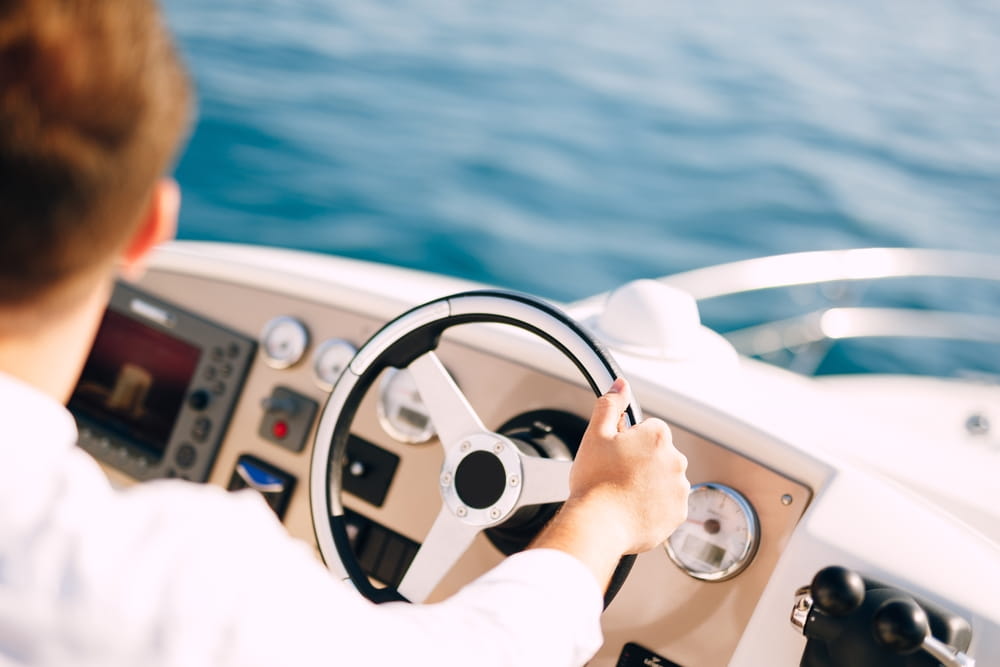
Boating under the influence is a criminal offense in Florida, but many people do not fully understand what the law actually prohibits or how broadly it applies. It is not limited to motorboats on open water. It covers a wide range of vessels and situations — and the legal definition of “impairment” goes beyond simply exceeding a BAC limit.
How Florida Defines BUI
Under Florida Statute 327.35, it is unlawful to operate a vessel with a BAC of 0.08% or higher, or while impaired by alcohol or controlled substances to the point that normal faculties are affected.
This applies to motorboats, sailboats, jet skis, and personal watercraft on all Florida waters — including the ocean, bays, rivers, and canals.
Why Impairment on Water Is More Dangerous Than on Land
On land, roads have lanes, signs, and fixed reference points. On water, operators must constantly adjust for wind, current, wave motion, and the movement of other vessels — all without any fixed structure guiding them.
Alcohol compounds every one of those challenges. Research has shown that sun exposure, heat, engine noise, and water motion can accelerate the physical effects of alcohol. An operator who feels “fine” after two drinks on land may be meaningfully impaired after the same amount on the water.
Florida courts and juries are often presented with this context in maritime negligence cases.
Who Can Be Held Liable Beyond the Operator?
Liability in BUI-related injury claims does not always stop with the person behind the wheel. In many cases, additional parties may share responsibility:
- The vessel owner, if they allowed an impaired person to operate their boat
- A charter company, if safety protocols were not enforced before departure
- A marina or event organizer, in some circumstances involving alcohol service to a person who then operated a vessel
- An employer might be liable if the vessel was used for business purposes
How a Criminal BUI Violation Can Strengthen a Civil Injury Claim
This is the part most people do not know, and it is often the most important factor in a Florida alcohol-related boating accident claim.
Two Legal Systems, One Set of Facts
A BUI criminal case is brought by the state. Its goal is punishment: fines, license suspension, or jail time. A civil injury claim is brought by the injured person. Its goal is compensation for harm suffered.
These cases run on separate tracks. But they share the same underlying facts — and those facts can move between tracks in ways that matter to your case.
What Negligence Per Se Means for Injured Boaters
When a person violates a safety statute, such as Florida’s BUI law, and that violation directly causes an injury, the legal doctrine of negligence per se may apply.
In practical terms, this means the violation of the law can itself be treated as evidence of negligence. The injured party may not need to prove that the operator failed to act reasonably, the act of breaking the law does that work.
For someone injured in a Miami boating accident where the operator was arrested for BUI, this can meaningfully change how the civil case is built and argued.
How Attorneys Work to Connect Criminal Evidence to Civil Claims
Attorneys pursuing Florida boating impaired operator boating claims typically work to gather and preserve:
- FWC and Coast Guard incident reports documenting observed impairment
- BAC test results taken at the scene or at the hospital
- Field sobriety test records
- Witness accounts describing the operator’s behavior before and after the accident
- Photographs or video evidence from the scene or nearby vessels
- Any prior BUI history of the operator
This documentation creates a civil record that can stand independently of the criminal case outcome. Even if charges are later reduced or dismissed, the underlying evidence of impairment may still be available in civil proceedings.
Common Problems People Face With Alcohol-Related Boat Accident Claims in Miami
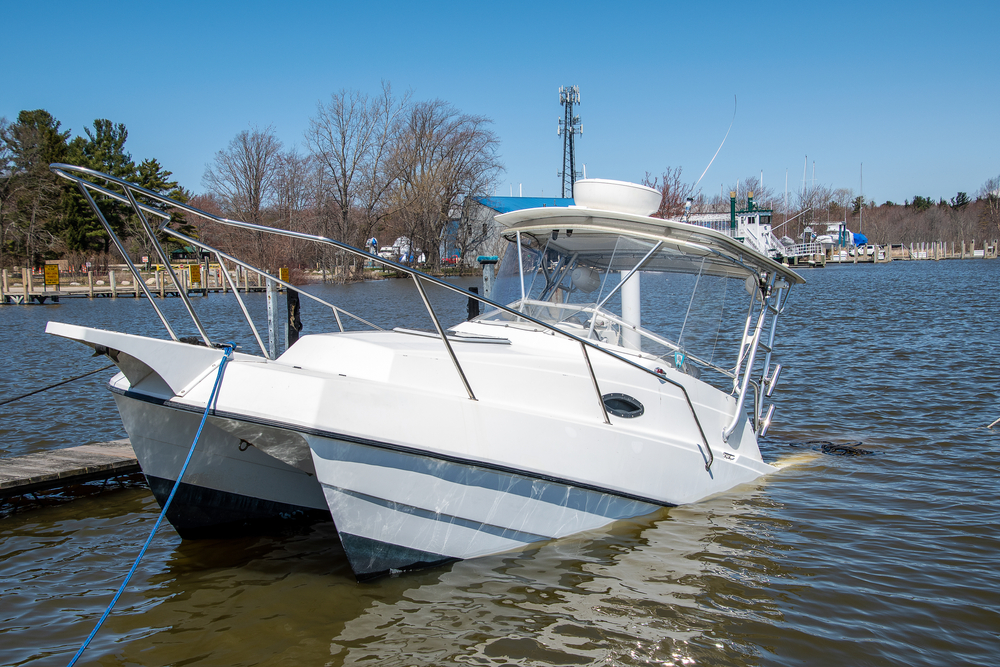
Filing an injury claim after an alcohol-related boating accident in Miami is rarely straightforward. Even when a BUI arrest occurred, insurance companies, competing liability arguments, and the complexity of maritime law can make the process harder than most people expect.
Understanding the common obstacles ahead of time can help you make more informed decisions about how to move forward.
Insurance Companies Dispute Liability Even When a BUI Arrest Occurred
After a BUI-related accident, the vessel owner’s insurer may argue that your injuries resulted from rough water, your own actions, or another vessel, not the operator’s impairment. This is a common tactic, and it happens even when law enforcement documented the operator’s condition at the scene.
Insurers understand that many injured people will accept an early settlement rather than navigate a complex claim. Early offers frequently do not reflect the full value of medical treatment, lost income, or long-term impact.
Shared Fault Arguments Can Reduce What You Recover
Florida follows a modified comparative negligence system. If you are found partially at fault — for example, you were on a vessel you knew was being operated by someone who had been drinking, your compensation may be reduced in proportion to your share of fault.
If you are found more than 50% at fault, you may not be able to recover anything under Florida’s current rules.
Evidence Disappears Quickly on the Water
Unlike a car accident scene on a public road, boating accident scenes are rarely preserved. Vessels move. Witnesses scatter. Toxicology results have a limited window for collection. Weather and water conditions change what physical evidence remains.
Acting quickly after an accident, and working with an attorney who can begin gathering evidence promptly, often affects what is available to support a claim.
Maritime Cases Involve Multiple Layers of Law
Depending on where the accident occurred, federal admiralty law may apply alongside Florida state law. An accident on Biscayne Bay or in the Atlantic waters off Miami may fall under different jurisdictional rules than an accident on an inland canal or lake.
This layering of law is one reason maritime injury claims are often more complex than standard vehicle accident cases.
Key Laws and Deadlines for Boating Accident Claims in Florida
Florida boating accident claims are governed by both state and federal law, and the deadlines are strict. Most injured parties have two years from the date of the accident to file a personal injury claim.
Missing that window typically means losing the right to pursue compensation entirely, regardless of how strong the underlying case may be.
Statute of Limitations: Two Years
Under Florida Statute 95.11, most personal injury claims in Florida must be filed within two years of the date of the accident. Florida shortened this deadline from four years in 2023.
Missing this deadline typically means losing the right to pursue compensation, regardless of how strong the underlying claim might have been.
Florida’s Modified Comparative Negligence Rule
Since 2023, Florida applies a modified comparative negligence standard. If you are found more than 50% responsible for your own injuries, you are barred from recovering compensation.
This makes documenting the other party’s impairment clearly and early a critical part of protecting your claim.
When Federal Maritime Law Applies
If the accident occurred on navigable U.S. waters, including Biscayne Bay, Government Cut, or the Atlantic Ocean off Miami, general maritime law may apply in addition to Florida state law. This can affect jurisdiction, applicable deadlines, and how certain damages are calculated.
An attorney familiar with both Florida personal injury law and maritime law can help determine which framework applies and how that shapes your options.
What Compensation May Include in a BUI Injury Claim
When a boat operator’s impairment contributes to an accident and resulting injuries, compensation pursued in a civil claim may cover:
- Medical expenses, including emergency care, hospitalization, surgery, and ongoing rehabilitation
- Lost income during recovery, and reduced future earning capacity if injuries are long-term or permanent
- Pain and suffering, including both physical discomfort and emotional distress
- Damage to personal property lost or destroyed in the accident
- Long-term disability or permanent impairment affecting quality of life
Insurers often present initial settlement offers that do not account for future medical needs or the compounding effect of a serious injury over time. An attorney can help assess whether an offer reflects the actual and projected cost of what you experienced.
When Should You Talk to a Lawyer About a Boating Accident in Miami?
Talking to an attorney is often worth considering when any of the following apply:
- You suffered injuries that required medical attention beyond basic first aid
- The boat operator was arrested, cited, or tested for BUI at the scene
- An insurance company has already contacted you asking for a recorded statement
- You received a settlement offer but are unsure whether it accounts for your full damages
- Another party is claiming you share fault for the accident
- The accident occurred on Biscayne Bay, the Atlantic, or another federally navigable waterway
Many attorneys handling Florida BUI-related injury claims offer free initial consultations and work on a contingency fee basis — meaning no fees are owed unless compensation is recovered.
Practical Steps Many Claimants Find Helpful After a Boating Accident
Many people navigating these claims find it useful to:
- Write down everything they remember about the accident as soon as possible — the operator’s behavior, conversations at the scene, weather and water conditions, and who else was present
- Keep all medical records, bills, treatment notes, and prescription receipts organized and accessible
- Request a copy of any FWC, Coast Guard, or law enforcement incident report filed after the accident
- Avoid giving recorded statements to insurance adjusters before consulting with an attorney
- Photograph injuries, vessel damage, and any visible evidence as close to the time of the accident as possible
These steps do not substitute for legal guidance, but they often make the process more manageable and help preserve important information.
Ask Your Insurance Attorney
Does a BUI arrest automatically mean the boat owner’s insurance has to pay my claim?
Not automatically. An arrest creates an important record of impairment, but insurers typically conduct their own investigation and may still dispute liability. The arrest is often one piece of a broader civil case. An attorney can help assess how the arrest record fits into the overall claim and what additional evidence may be needed.
I was a guest on the boat that caused the accident. Does that affect my right to file a claim?
In many cases, no. Passengers injured due to an impaired operator’s actions may be able to pursue a claim against the operator, the boat owner, or both. Being a guest on the vessel does not typically bar you from seeking compensation for your injuries.
The accident happened near the Miami Beach marina. Does federal maritime law apply to my case?
It may. Accidents on navigable federal waters — including waters near Miami Beach, Biscayne Bay, and Government Cut — can trigger federal admiralty jurisdiction alongside Florida state law. The specific location of the accident is one of the first things an attorney evaluates when assessing which legal framework applies.
What if the operator’s BAC was below 0.08% but they still seemed impaired?
Florida’s BUI statute covers impairment of normal faculties, not just BAC levels above the legal limit. If witness accounts, officer observations, or other evidence suggest the operator’s judgment and reflexes were affected by alcohol or drugs — even below 0.08% — that may still support a negligence argument in a civil claim.
Florida Boating Under the Influence Injury Claims: Questions Answered by Attorneys
Can the boat operator’s prior BUI history be used in my civil case?
In some circumstances, yes. Prior incidents may be relevant to establishing a pattern of behavior, particularly if the boat owner knew about that history and still allowed the person to operate their vessel. How this evidence is handled depends on the specific facts and what stage the case is in.
What if the boat operator was never formally charged with BUI after the accident?
A civil claim does not require a criminal charge or conviction. If law enforcement documented signs of impairment at the scene — through field sobriety observations, BAC testing, or incident reports — that evidence may still be available to support a negligence argument, even if no charges were ultimately filed.
How does Florida’s comparative negligence rule affect a passenger who did not have a life jacket?
Florida law requires certain vessels to carry life jackets, but fault allocation depends on specific circumstances. If not wearing a life jacket contributed to the severity of your injuries, an insurer may raise that as a comparative fault argument. An attorney can evaluate whether that argument holds weight given the facts of your case.
Are boating accident injury claims handled differently than car accident claims in Florida?
Often, yes. Maritime jurisdiction, the involvement of federal agencies like the Coast Guard, and the complexity of vessel insurance policies can make boating claims more layered than standard vehicle accident claims. The underlying negligence principles are similar, but the procedural and evidentiary landscape is frequently more complex.
The Accident Is Behind You. What Comes Next Should Not Be Left to Chance.

A boating accident changes things quickly. Medical appointments, missed work, and unanswered calls from insurance adjusters can make an already difficult situation feel unmanageable.
What many people do not realize is that the criminal side of a BUI case, the arrest, the BAC results, the officer’s report, can become some of the most useful evidence in a civil injury claim. That connection between criminal conduct and civil liability is not automatic. It takes careful documentation, legal strategy, and an understanding of how Florida maritime law works in practice.
The team at Your Insurance Attorney works with individuals navigating Florida injuries after boating under the influence claims in Miami and across Florida. Initial consultations are free, and the firm typically works on a contingency fee basis, no attorney fees unless compensation is recovered.
Miami office: 2601 South Bayshore Drive, 5th Floor, Miami, FL 33133 Phone: 888-570-5677
If you have questions about what happened on the water and what options may be available to you, a conversation costs nothing.