Car accident liability disputes in Florida follow a predictable pattern. After a crash in Fort Lauderdale, the at-fault driver’s insurance company investigates the collision, and that investigation can produce a version of events that minimizes their policyholder’s responsibility and inflates yours.
Insurance companies are not neutral fact-finders. They are businesses with a financial incentive to pay as little as possible. Every percentage point of fault they shift onto you reduces what they owe. Working with a personal injury lawyer can help counter these tactics and protect your right to recover damages. Under Florida’s modified comparative negligence rule in many negligence cases, if your fault is pushed above 50%, you may be barred from recovering damages from the other driver’s insurer.
Key Takeaways for Car Accident Liability Disputes in Florida
- Insurance companies dispute liability to reduce payouts, not because fault is genuinely unclear in every case
- Adjusters use recorded statements, selective evidence review, and delay tactics to build a version of events that favors their policyholder
- Florida’s comparative fault rules mean fault can reduce your compensation, and in many negligence claims, being more than 50% at fault can bar recovery from the other driver
- Evidence like dashcam footage, intersection cameras, and cell phone records can counter an insurer’s liability narrative when preserved early
- Early legal involvement protects your assigned fault percentage before the insurer’s version of events becomes the default
How Insurance Adjusters Investigate Car Accidents in Fort Lauderdale
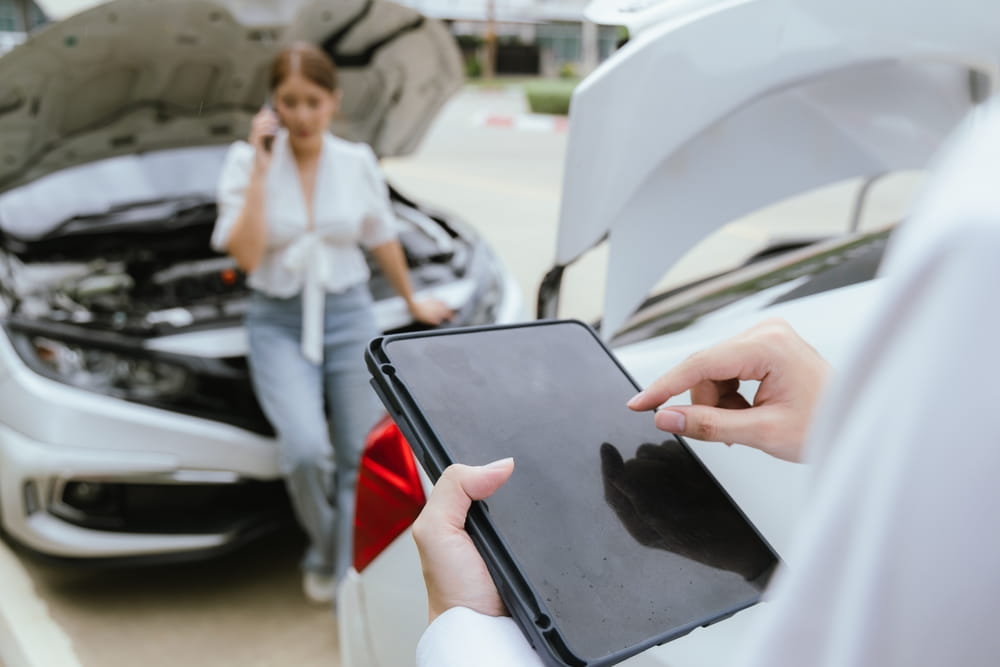
Insurance companies launch their own investigations after every reported crash. These investigations are not designed to find the truth objectively. They are designed to protect the insurer’s financial position.
The Adjuster’s First Move: Your Recorded Statement
Within days of a Fort Lauderdale car accident, an adjuster from the other driver’s insurance company may contact you. The call feels routine. The adjuster sounds sympathetic, asks how you’re feeling, and requests a recorded statement “just to get your side of the story.”
Recorded statements are not casual conversations. They are evidence-gathering tools.
Adjusters are trained to ask questions that produce useful admissions. “Were you running late?” suggests you were rushing. “Did you see the other car before impact?” implies you should have avoided the collision. “How are you feeling today?” captures a response like “not too bad” that undermines injury claims weeks later when symptoms worsen.
The risks of a recorded statement in an accident claim are significant because these recordings become permanent evidence. Once you say something on tape, it follows your claim through negotiation and into the courtroom if the case goes to trial.
Scene Investigation and Evidence Collection
Insurance companies send investigators to crash scenes, sometimes within hours. These investigators photograph the intersection, measure skid marks, document road conditions, and look for anything that supports shared or shifted liability.
In Fort Lauderdale, where congested corridors like I-95, Federal Highway, and Broward Boulevard produce daily collisions, adjusters are familiar with specific intersections and common crash patterns. They know which locations have traffic cameras, which roads have sight-line issues, and which intersections produce frequent disputes about signals and right of way.
The insurer’s investigator documents evidence that helps their case. Evidence that hurts their position may receive less attention in the final report.
Police Report Review and Reinterpretation
Police reports carry weight in liability disputes, but they are not final determinations of fault. Insurance companies review crash reports, looking for language they can use to support their version of events.
An officer’s observation that “both vehicles entered the intersection at approximately the same time” gets reframed as evidence of shared fault. A note that “Driver 1 stated they did not see Driver 2” becomes proof of inattention. Even when officers cite the other driver for a traffic violation, insurers argue that the citation does not establish civil liability.
Adjusters selectively emphasize details from police reports while downplaying or ignoring portions that support your account of the crash.
Why Insurers Fight Fault So Aggressively in Florida
Florida’s legal framework gives insurance companies powerful financial reasons to dispute liability in every car accident claim.
The Comparative Negligence Incentive
Florida’s modified comparative negligence rule under § 768.81 reduces compensation proportionally based on the injured party’s share of fault in most negligence-based claims. If an insurer assigns you 30% fault, they can reduce their payout by 30%. If they push your fault to 51%, they might owe nothing.
This sliding scale creates a direct financial incentive to inflate your fault percentage. And every recorded statement, every piece of evidence, and every witness interview serves this calculation.
Protecting the Policyholder’s Record
Insurance companies also dispute liability to protect their own policyholders from rate increases and coverage consequences. A finding of clear fault against their insured driver triggers policy implications that extend beyond the current claim. Disputing liability, even when fault seems obvious, serves the insurer’s broader business interests.
Setting Negotiation Anchors
Initial liability determinations set the starting point for settlement negotiations. If an insurer’s first position assigns you 40% fault, negotiations begin from that anchor. Even if your attorney successfully reduces the percentage, the final number often lands higher than it would have if the insurer had started with a fair assessment.
Insurers understand this anchoring effect and use inflated initial fault assignments as a negotiation strategy rather than a genuine liability analysis.
Common Strategies Insurers Use to Shift Blame in Fort Lauderdale Crashes
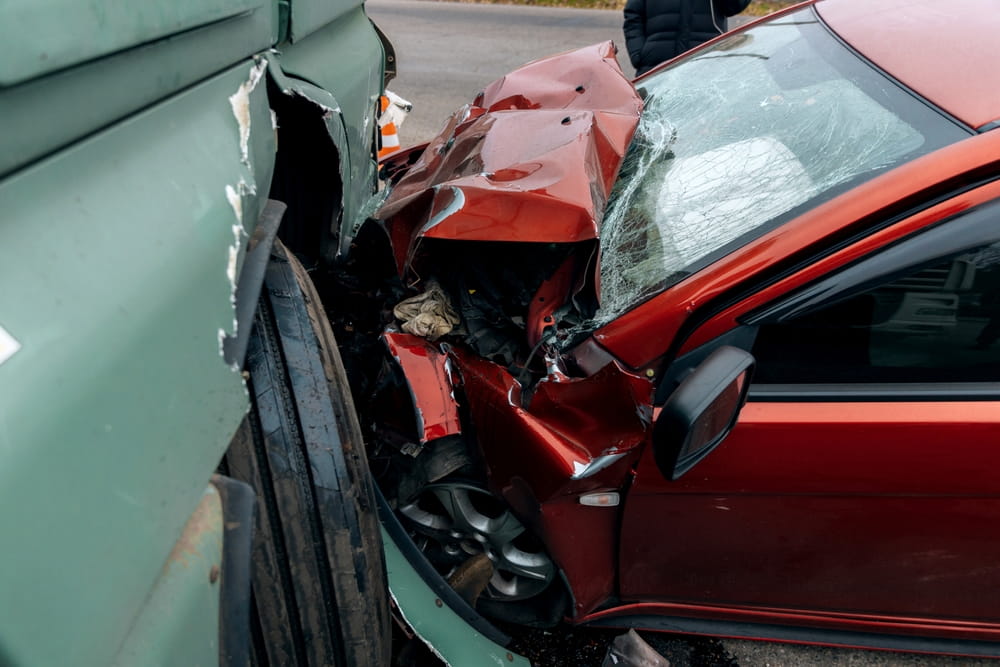
Beyond recorded statements and selective evidence review, insurers rely on specific arguments to shift liability onto injured parties. These arguments appear across nearly every disputed car accident claim in Broward County:
- Claiming you were distracted — Adjusters ask whether you were using your phone, adjusting the radio, or talking to passengers. In Fort Lauderdale, where GPS navigation is common among tourists unfamiliar with local roads, insurers frequently argue that GPS use constituted a distraction, even when the other driver clearly caused the collision.
- Arguing you failed to avoid the crash — Florida law requires drivers to exercise reasonable care to avoid collisions. Insurers interpret this broadly, arguing you should have braked sooner, swerved, or taken evasive action. This reframes the at-fault driver’s negligence as shared responsibility.
- Disputing injury causation alongside liability — An insurer may partially accept fault while arguing your injuries predated the accident or resulted from a subsequent event. Medical records showing prior treatment in the same area as your crash injuries become tools for reducing both liability and damage calculations.
- Using delay as a pressure tool — Some insurers delay liability determinations for weeks or months, claiming they need additional investigation. During this time, medical bills accumulate and financial pressure increases, creating conditions where injured parties accept lower settlements out of necessity.
Each tactic serves the same goal: inflating your fault percentage or reducing the value of your claim before you have time to build a strong evidentiary position.
Evidence That Counters Liability Disputes in Fort Lauderdale
While insurers control their own investigation, injured parties can build an independent evidence file that challenges the insurer’s narrative. These types of evidence carry particular weight in proving fault in a Fort Lauderdale car crash:
- Dashcam and vehicle camera footage — Dashcam recordings provide an objective, timestamped record of what happened before, during, and after a collision. This footage often contradicts the other driver’s account and is difficult for adjusters to dismiss. Nearby vehicles may also have captured the crash from different angles.
- Traffic camera evidence in Broward County — Fort Lauderdale and Broward County may maintain traffic cameras at certain major intersections. This footage establishes signal timing, vehicle positions, and the sequence of events, particularly in intersection crashes where both drivers claim they had a green light. Agencies may overwrite recordings within days, so requesting this evidence promptly is critical.
- Cell phone records — Phone records establish whether the other driver was texting, calling, or using apps at the time of the crash. This evidence directly counters blame-shifting arguments by proving the other driver was distracted. Obtaining these records typically requires legal action, making early personal injury lawyer involvement important.
- Witness statements — Independent witnesses provide accounts not influenced by insurance interests. Statements that corroborate your version of events carry significant weight, particularly when they contradict the other driver’s recorded statement. Collecting contact information at the scene preserves access before memories fade.
- Expert accident reconstruction — For complex crashes, reconstruction professionals may be needed to help analyze vehicle damage patterns, road surface evidence, sight lines, and speeds to produce independent fault assessments based on physics rather than competing driver narratives.
Preserving this evidence early, before footage gets overwritten and witnesses forget details, often determines whether an insurer’s liability dispute succeeds or collapses.
How Early Legal Involvement Protects Your Claim
The liability narrative in a car accident claim typically solidifies within the first few weeks. Police reports get filed, recorded statements get captured, and the insurer’s initial fault assessment takes shape. Once this framework is in place, shifting the narrative requires significantly more effort. An attorney involved from the beginning protects your position in three critical ways:
- Preventing harmful statements — Your attorney advises you on what to say and what to avoid before you provide any statements to insurance companies, preventing the recorded statement mistakes that adjusters rely on to inflate fault percentages.
- Launching an independent investigation — Your attorney obtains traffic camera footage before it gets overwritten, interviews witnesses while memories are fresh, secures cell phone records through legal channels, and documents physical evidence at the crash scene, building a file the insurer does not control.
- Challenging the insurer’s fault assessment — When an insurer assigns an inflated fault percentage, your attorney presents counter-evidence and demands reassessment. Adjusters dealing with legal representation are less likely to rely on aggressive fault-shifting tactics because they anticipate that unsupported positions will be challenged.
The earlier an attorney enters the process, the less room the insurer has to construct a liability narrative that works against you.
FAQs for Car Accident Liability Disputes in Florida
Can the Insurance Company Blame Me Even if the Other Driver Got a Ticket?
Yes. Traffic citations indicate a violation occurred but do not automatically establish civil liability. Insurers argue that you contributed to the crash despite the other driver’s citation. However, the citation serves as evidence supporting your version of events and strengthens your liability position.
What If Both Insurance Companies Blame the Other Driver?
When both insurers deny their policyholder’s fault, the dispute often requires litigation to resolve. A jury or judge reviews all evidence and assigns fault percentages. Before reaching that stage, attorneys for both parties negotiate with evidence that may break the impasse.
Can I Dispute the Police Report if It Contains Errors?
Yes. Police reports sometimes contain inaccuracies based on limited scene information or miscommunicated details. You may request a supplemental report or provide a written statement correcting factual errors. Your attorney can also present independent evidence that contradicts inaccurate report findings during negotiations or litigation.
What If There Are No Witnesses and No Camera Footage?
Cases without independent evidence rely more heavily on physical evidence, vehicle damage analysis, and expert reconstruction. If needed, an accident reconstruction professional can often determine fault from skid marks, impact damage patterns, and final vehicle positions even without video or eyewitness testimony.
Does Florida’s No-Fault System Prevent Me From Disputing Liability?
No. Florida’s no-fault system governs how initial medical expenses are covered through PIP, but it does not prevent liability disputes when injuries meet the serious injury threshold. Once you step outside the no-fault system to pursue a claim against the at-fault driver, comparative negligence and liability arguments apply fully.
What If the Insurance Company’s Version of the Crash Contradicts the Police Report?
Insurers are not bound by police report findings and frequently reach different conclusions about fault. An adjuster may argue that the officer did not witness the crash, arrived after the fact, or relied on incomplete information. While the police report remains valuable evidence, it is one piece of the picture. Independent evidence strengthens your position when the insurer attempts to override the officer’s findings.
Your Version of Events Deserves the Same Investigation Theirs Got
Insurance companies build liability disputes on the assumption that injured parties will not fight back. They count on recorded statements going unchallenged, inflated fault percentages going unquestioned, and financial pressure forcing early settlements before evidence is fully developed.
That strategy falls apart when an attorney enters the picture early, preserves independent evidence, and demands accountability for unsupported fault assignments. Your Insurance Attorney handles car accident liability disputes throughout Fort Lauderdale and Broward County, protecting your fault percentage from the moment you contact us for a free consultation.
Contact us today to speak with an attorney about your Fort Lauderdale car accident claim.