In many Florida negligence cases, the comparative fault system reduces compensation based on your percentage of fault and may bar recovery if you are more than 50% to blame. This rule affects many negligence-based personal injury cases in Fort Lauderdale, from car accidents on I-95 to slip and fall incidents at Broward County businesses.
A Fort Lauderdale personal injury lawyer can help you understand how comparative negligence works, and how insurance companies use it against you, may be the difference between recovering fair compensation and walking away with nothing.
Key Takeaways for Florida Comparative Negligence Injury Claims
- Florida’s modified comparative negligence rule reduces your compensation by your percentage of fault and eliminates recovery entirely if you are more than 50% responsible
- Insurance adjusters might actively work to inflate your fault percentage through recorded statements, leading questions, and selective evidence interpretation
- Early statements to insurers can dramatically shift liability percentages against you, even when the other party caused most of the harm
- Comparative negligence applies to all personal injury case types in Fort Lauderdale, including car accidents, truck crashes, premises liability, and wrongful death claims
- Legal representation may help protect your assigned fault percentage by preserving evidence and countering insurer arguments before liability narratives take hold
Why Fault Percentages Matter in Fort Lauderdale Injury Cases
Most accidents in Fort Lauderdale are not clear-cut. A driver runs a red light, but the other driver was speeding. A shopper slips on a wet floor, but the spill was in plain sight. A cyclist gets hit by a turning car, but the rider had no lights on after dark.
When both sides share some blame, the question shifts from “who caused this?” to “how much did each party contribute?” Florida’s comparative negligence rule answers that question with a formula that directly reduces, or eliminates, your compensation based on your assigned share of fault.
What Is Modified Comparative Negligence in Florida?
Before 2023, Florida followed a pure comparative negligence system. Injured parties could recover compensation regardless of their fault percentage. For instance, a claimant who was 90% at fault could still recover 10% of their damages.
That changed when Florida adopted modified comparative negligence under HB 837, which took effect on March 24, 2023. The new rule introduced what legal professionals call the “50 percent bar,” a hard cutoff that eliminates recovery for claimants who bear more than half the responsibility for their injuries.
How Does the 50 Percent Bar Work in Florida?
In cases where Florida’s modified rule applies, the 50 percent bar operates as a bright line. If your assigned fault percentage lands at 50% or below, your compensation reduces proportionally. If it is 51% or more, you cannot recover.
Here is a simplified example of how this might play out:
- A Fort Lauderdale resident is rear-ended on Broward Boulevard, but the investigating officer notes the injured driver was texting. A jury assigns 30% fault to the injured driver, and a hypothetical $100,000 claim drops to $70,000.
- In the same scenario, the insurer argues texting was the primary cause of the collision. If the fault assignment reaches 51%, that same $100,000 claim drops to $0.
The stakes of every percentage point are significant. The difference between 49% and 51% fault is not a modest reduction in compensation.
How Insurance Companies Use Comparative Negligence Against You
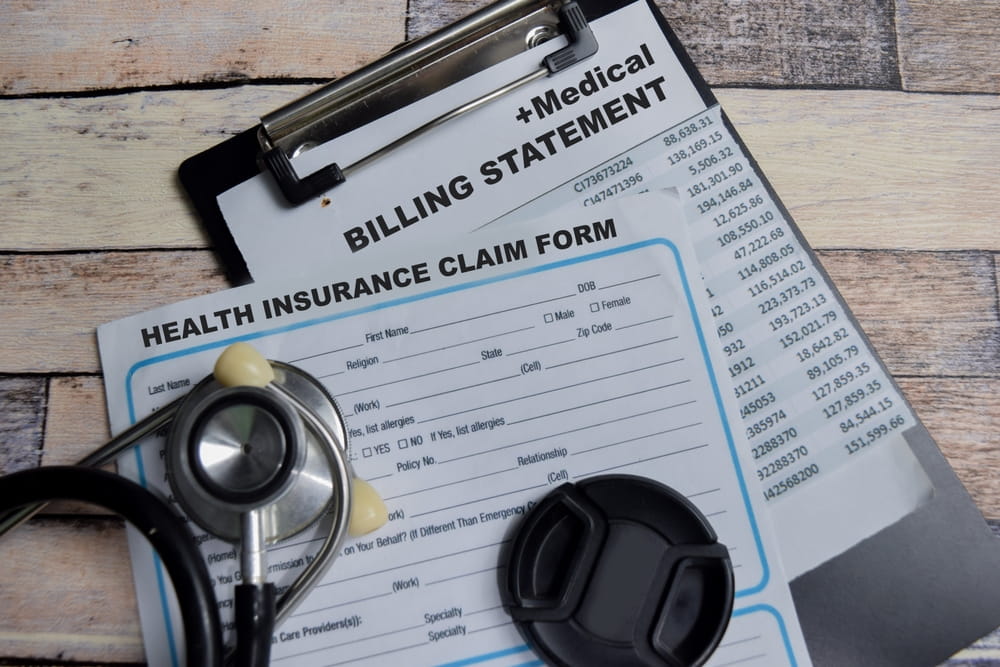
Insurance adjusters understand the 50 percent bar creates leverage. If they can push your fault percentage above 50%, they eliminate the claim entirely. This makes comparative negligence one of the most powerful tools in an insurer’s strategy.
Recorded Statements That Shift Liability
Adjusters request recorded statements shortly after accidents, often framing the request as routine paperwork. These conversations serve a specific purpose: extracting admissions that support a higher fault assignment.
An adjuster might ask a Fort Lauderdale car accident victim, “Were you running late that morning?” or “Had you noticed the intersection was busy?” Answers that seem harmless in conversation become evidence that you were rushing, distracted, or aware of dangerous conditions and proceeded anyway.
These statements carry weight in settlement negotiations and at trial. Once recorded, they are difficult to walk back or explain away. An offhand comment about checking your phone or feeling tired can shift your fault percentage by 10 to 20 points.
Selective Use of Evidence
Insurance companies review police reports, surveillance footage, and witness statements for any detail that supports shared fault. They may emphasize that you were not wearing a seatbelt, that you crossed outside a crosswalk, or that your brake lights were out, even if these factors played a minimal role in causing the accident.
In premises liability cases, adjusters argue that the hazard was open and obvious, meaning you should have seen the wet floor, uneven pavement, or poor lighting and avoided it. This argument shifts fault onto injured visitors, potentially pushing their percentage above the 50% bar.
Inflating Fault Percentages During Negotiations
Adjusters do not simply assess fault objectively. They advocate for the highest defensible fault percentage they can assign to you. A shared liability accident claim that might reasonably involve 20% claimant fault gets presented as 45% or 55% in the insurer’s initial evaluation.
This inflation serves two purposes. If they push you past 51%, they owe nothing. If they assign you 40% to 49%, they significantly reduce the payout while keeping the claim alive to avoid litigation.
How Comparative Negligence Applies to Common Fort Lauderdale Accidents
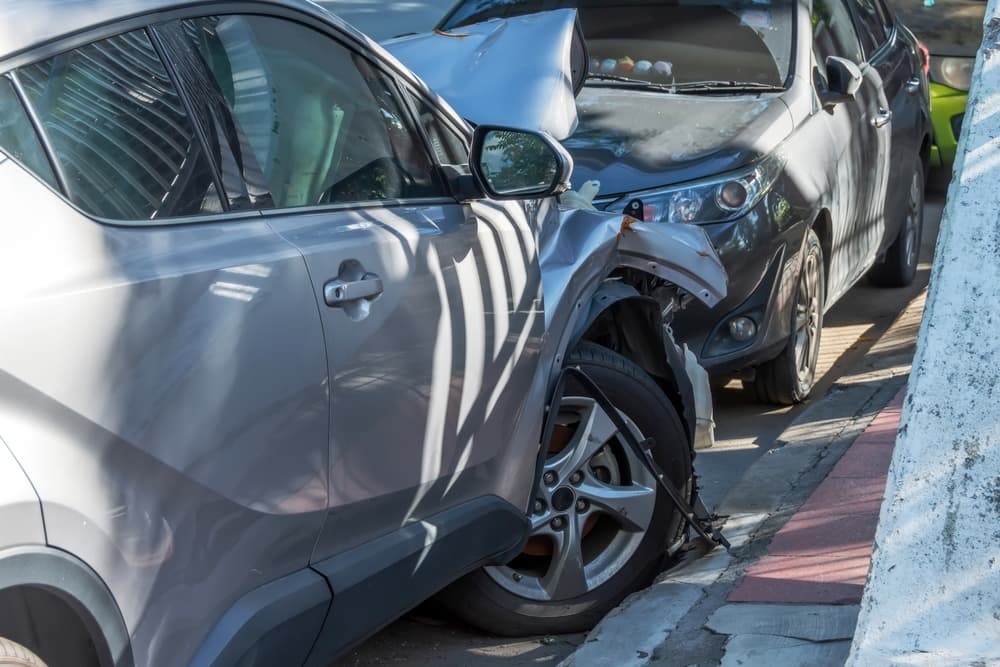
Comparative negligence affects every personal injury case type, but the fault arguments differ depending on the accident.
Car Accidents and Shared Fault
A partial fault injury case in Fort Lauderdale often involves competing narratives about driver behavior. Both drivers may have been speeding, one driver may have failed to signal, while the other ran a yellow light, or road conditions contributed alongside driver error.
Florida’s no-fault insurance system covers initial medical expenses through PIP regardless of fault. Comparative negligence becomes relevant when injuries meet the serious injury threshold, and the injured party pursues a claim against the at-fault driver. At that stage, the at-fault driver’s insurer will argue shared responsibility to reduce or eliminate the claim.
Truck Accidents and Multiple Liable Parties
Commercial truck accidents frequently involve multiple potentially responsible parties: the truck driver, the trucking company, maintenance providers, and cargo loaders. When fault is distributed across several parties, each defendant’s insurer attempts to shift blame onto others, including the injured party.
A Fort Lauderdale truck accident on I-595 might involve a fatigued driver violating FMCSA hours-of-service regulations and a passenger vehicle driver who was following too closely. The trucking company’s insurer argues the car driver’s tailgating caused the crash, while the evidence may show the trucker’s fatigue was the primary factor.
Slip and Fall Cases and the “Open and Obvious” Defense
Premises liability claims face aggressive comparative negligence arguments. Property owners and their insurers routinely argue that the injured person should have noticed the hazard and avoided it.
A slip and fall at a Fort Lauderdale grocery store might involve a freshly mopped floor with no warning signs. The store’s insurer may argue you were looking at your phone, wearing inappropriate footwear, or walking too fast. Each of these arguments aims to increase your fault percentage, potentially beyond the 50% cutoff.
Under Florida’s premises liability laws, the injured party must prove the property owner knew or should have known about the dangerous condition. Defense attorneys may combine this burden with comparative fault arguments to build a two-pronged defense.
Motorcycle Accidents and Rider Bias
Motorcyclists face an uphill battle with comparative negligence because juries and adjusters often carry preconceptions about rider behavior. Insurers argue that motorcyclists are inherently risk-takers, that lane positioning contributed to the crash, or that protective gear choices affected injury severity.
A motorcycle accident on Federal Highway, where a car turned left into the rider’s path, might still result in 20% to 30% fault assigned to the motorcyclist if the insurer argues the rider was traveling slightly above the speed limit or failed to take evasive action.
Protecting Your Fault Percentage After a Fort Lauderdale Accident

Because comparative negligence directly reduces or eliminates compensation, protecting your assigned fault percentage is as important as proving the other party’s liability.
Why Early Legal Involvement Matters
The liability narrative often solidifies within days of an accident. Police reports get filed, insurance statements get recorded, and witnesses share their accounts while memories are fresh. Once these early records establish a fault framework, shifting the narrative becomes significantly harder.
An attorney involved from the beginning can advise you on what to say and what to avoid, preserve evidence that supports your position, and challenge inaccurate police report findings before they become the foundation of the insurer’s fault argument.
Evidence That Strengthens Your Position
Specific types of evidence carry weight in comparative negligence disputes:
- Surveillance and dashcam footage showing the sequence of events leading to the accident
- Witness statements from people who observed the other party’s negligent behavior
- Cell phone records proving the other driver was distracted at the time of the crash
- When warranted, expert accident reconstruction analysis that assigns fault based on physical evidence rather than speculation
- Medical records linking your injuries to the impact, countering arguments that pre-existing conditions caused your harm
Each piece of evidence narrows the insurer’s ability to inflate your fault percentage.
What Not to Say After an Accident
Certain statements create comparative negligence problems regardless of context:
- “I didn’t see them coming” suggests you were not paying attention
- “I’m sorry” implies you accept some responsibility
- “I think I’m fine” undermines injury claims when symptoms appear later
- “I was in a hurry” supports arguments that you were driving carelessly
These statements, made to police officers, other drivers, or insurance adjusters, become evidence in fault disputes. Limiting your statements to basic facts protects your position.
FAQs for Florida Comparative Negligence Injury Claims
Does Comparative Negligence Apply if I Was a Passenger?
Passengers rarely bear fault for vehicle accidents since they are not controlling the vehicle. However, insurers occasionally argue that passengers contributed to their own injuries by not wearing a seatbelt, distracting the driver, or encouraging reckless behavior. These arguments are difficult to prove but worth preparing for.
What Happens if Both Drivers Are Equally at Fault?
If fault splits exactly 50/50, the injured party may still recover compensation under Florida’s modified rule. The 50 percent bar eliminates recovery only when the fault exceeds 50%. At exactly 50%, the injured party could recover half of their documented damages.
Can Comparative Negligence Change During a Lawsuit?
Yes. Fault percentages are not fixed after the initial insurance evaluation. Discovery, depositions, and expert testimony may reveal evidence that shifts fault significantly in either direction. Cases that initially appear to involve high claimant fault sometimes resolve favorably once additional evidence emerges.
How Does Comparative Negligence Affect Wrongful Death Claims in Florida?
In many negligence-based wrongful death claims, Florida’s comparative fault rules may apply as well. If the deceased person bore more than 50% fault for the accident that caused their death, surviving family members may be barred from recovering compensation. This makes evidence preservation in fatal accidents critical.
Does Florida’s Comparative Negligence Rule Apply to All Injury Cases?
The modified comparative negligence standard under § 768.81 applies broadly to negligence-based personal injury and wrongful death claims filed after March 24, 2023. Medical malpractice cases may be handled differently, and the comparative fault rules that apply can vary depending on the claim. Your attorney can clarify which rule applies to your specific circumstances.
Every Percentage Point Counts After a Fort Lauderdale Accident

The 50 percent bar transformed personal injury claims in Florida from a sliding scale into a pass-fail system. Insurance companies recognized this shift immediately, and their strategies adapted just as fast. Every recorded statement, every police report detail, and every piece of evidence now carries the weight of potentially eliminating a claim entirely.
Your Insurance Attorney understands what is at stake in comparative negligence disputes throughout Fort Lauderdale and Broward County. We challenge inflated fault percentages with evidence, counter insurer arguments before they take hold, and protect your right to fair compensation from the moment you contact us for a free consultation.