CALL US FOR A FREE CASE REVIEW

Texas Property Damage Lawyer


When severe weather strikes Texas, the damage to your home can be devastating. From hurricanes along the Gulf Coast to hailstorms in Dallas and Austin, property damage affects thousands of Texas homeowners every year. If your insurance company has denied, delayed, or underpaid your property damage claim, you need an experienced Texas property damage lawyer who understands how to fight for fair compensation.

Your Insurance Attorney has been protecting Texas property owners for years, helping families rebuild after disasters and holding insurance companies accountable. From our Spring office near The Woodlands and Conroe, we handle property damage claims across Texas—Houston, Dallas-Fort Worth, Austin, San Antonio, Corpus Christi, El Paso, the Valley, Lubbock, and beyond. With a proven track record of success, we fight to get you the compensation you need to restore your home and move forward with your life.

Key Takeaways for Property Damage Cases in Texas

  • Texas deadlines vary: many policies shorten lawsuit deadlines to two years and one day from the date of loss; the default contract limit is generally four years; most bad-faith claims are two years. Act quickly to preserve all deadlines.
  • Insurers often underpay or deny valid claims—exclusions, “wear and tear,” and low scopes are common. Strong documentation and counsel help secure fair payment.
  • Bad faith insurance practices violate both common law and statutory provisions under the Texas Insurance Code, giving policyholders the right to pursue additional damages.
  • You need documentation—photographs, repair estimates, and expert assessments strengthen your claim and improve your chances of fair compensation.
  • Working with an experienced property damage attorney can increase your settlement significantly and protect you from insurance company tactics.

Why Choose Your Insurance Attorney

With a Texas office in Spring (Houston metro), we represent homeowners statewide. We understand Texas policy forms, appraisal and coverage disputes, prompt-payment rules, and the carrier tactics used from Harlingen to Amarillo. Our attorneys have recovered significant compensation for property owners and handle claims across Texas. We’ve seen firsthand how insurance companies use delay tactics, lowball offers, and claim denials to avoid paying what they owe. Our firm operates on a contingency fee basis, meaning you pay nothing unless we recover compensation for your property damage. This no recovery, no fee promise ensures that every Texas homeowner can access quality legal representation, regardless of their financial situation. We provide free consultations to evaluate your claim and explain your rights under Texas law. Big firm results, small firm attention—that’s our commitment. While large firms may treat you like just another case number, we provide personalized service and direct communication throughout your claim. You’ll work directly with experienced attorneys who understand Texas property damage law and know how to maximize your recovery. Call our Texas office at (888) 570-5677 for a free consultation. No recovery, no fee.

Property Damage Compensation in Texas

Understanding what compensation you may recover is essential when pursuing a property damage claim. Texas law allows property owners to recover various types of  damages when insurance companies fail to honor their obligations. Several key factors determine the compensation available for your property damage claim. The most significant factors affecting your potential recovery include: Photo of property damage compensation
  • Extent of physical damage: Complete documentation of all structural damage determines your baseline compensation
  • Cost of repairs or replacement: Current Texas construction costs have increased significantly
  • Additional living expenses: Costs if you cannot occupy your home during repairs
  • Statutory prompt-payment remedies: Interest (rate varies by claim type/date) and attorney’s fees for violations
  • Bad faith damages: Statutory damages that may include up to three times your actual damages, including for mental anguish, if you prove a knowing violation
Our attorneys work with construction professionals and insurance professionals to accurately assess your damages, ensuring every aspect of your loss is documented and valued properly to maximize your recovery.

Texas Property Damage Laws and Your Rights

The Texas Insurance Code prohibits unfair claim settlement practices and requires insurers to handle claims promptly and fairly. Understanding these legal protections is crucial when fighting for fair compensation. For many weather-related claims, Chapter 542A requires 60-day pre-suit notice; filing without notice can lead to abatement and reduced fee/interest exposure. The statute of limitations represents one of the most critical deadlines in property damage cases. Key timeframes that Texas property owners must understand include:
  • Contract vs. policy limits: Breach-of-insurance-contract suits generally have a four-year limit under Texas law, but many homeowners policies shorten it to two years and one day from the date of loss. Check your policy.
  • Bad-faith/extra-contractual: Most Insurance Code §541/DTPA claims are two years (from the violation or discovery).
  • Prompt-payment: Remedies arise under Ch. 542; deadlines are tied to the claim timeline rather than a separate statute of limitations.
  • Insurer response after notice: After you report the claim, the insurer must acknowledge within 15 days (30 for certain carriers) and proceed under Chapter 542 timelines.
  • Commercial policies: May contain different suit-limitation clauses; review policy language.
These deadlines make immediate action crucial. Waiting too long can result in losing your right to compensation entirely, even if your claim is valid. Our attorneys work to ensure all deadlines are met while building the strongest possible case for your recovery.

Common Types of Property Damage Claims in Texas

Texas faces unique weather challenges that result in billions in property damage annually. Understanding specific damage types and coverage issues helps property owners navigate claims more effectively.

Hurricane and Windstorm Damage

The Texas Gulf Coast faces annual hurricane threats that devastate entire communities. Wind damage can compromise roofs, windows, and structural integrity, while storm surge and flooding compound destruction. Many insurers attempt to separate wind from flood damage to minimize payouts.

Hail Damage

Texas experiences more major hail events than any other state. Hail damage to roofs represents one of the most common claims, yet insurers frequently undervalue or deny these claims. Even minor impacts can compromise roof integrity, leading to future leaks and structural damage.

Water and Flood Damage

Water damage represents a significant portion of all home insurance claims. The distinction between flood damage (typically requiring separate coverage) and water damage from other sources often becomes contentious with insurance companies.

Fire and Lightning Damage

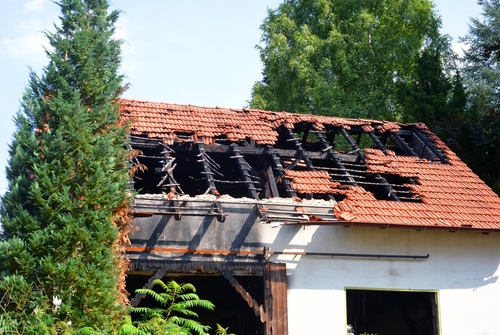
While less frequent, fire and lightning strikes cause expensive property damage, often resulting in total loss situations requiring extensive negotiation.

Fighting Denied Property Damage Claims

Insurance companies deny valid property damage claims for numerous reasons, hoping policyholders will simply accept the decision and move on. Common denial reasons include policy exclusions, claiming pre-existing damage, late reporting, or insufficient documentation. However, a denial letter is not the final word on your claim. When facing a denied claim, immediate action can mean the difference between recovering nothing and receiving full compensation. Critical steps to protect your rights include:
  • Review the denial letter carefully: Insurance companies must provide specific reasons for denial in writing
  • Gather additional documentation: Photos, expert reports, and repair estimates can counter the insurer’s position
  • Request reconsideration or file a supplemental claim: Submit the new evidence (photos, expert reports, repair estimates) and ask the insurer to reevaluate
  • Document all communications: Keep detailed records of every interaction with the insurance company
  • Consult with an attorney immediately: Legal representation significantly improves your chances of overturning the denial
Our attorneys understand the tactics insurance companies use to deny legitimate claims. We’ve successfully overturned countless denials by identifying policy violations, bad faith practices, and factual errors in the insurer’s investigation. Don’t accept a denial as final—let us review your case and fight for the compensation you deserve.

Bad Faith Insurance Practices in Texas

  When insurance companies violate their duty to handle claims fairly, Texas law provides powerful remedies for policyholders. The Texas Insurance Code specifically prohibits unfair methods of competition and deceptive acts or practices. Recognizing bad faith tactics helps property owners protect their rights and pursue additional damages. Examples of bad faith insurance practices that violate Texas law include repeatedly requesting unnecessary documentation, failing to communicate promptly about your claim, delaying or drawing out investigations without justification, misrepresenting policy terms or coverage, and denying claims without a reasonable basis. These practices are designed to frustrate policyholders into accepting less than they deserve or abandoning their claims entirely. When bad faith is proven, the consequences for insurance companies can be severe. Available remedies for Texas property owners include: Photo of property damage
  • Policy benefits owed: The original amount the insurance company should have paid
  • Attorney’s fees and court costs: Making it possible to pursue claims without out-of-pocket expenses
  • Statutory remedies: Interest and penalties for prompt payment violations
  • Treble damages: Up to three times actual damages for knowing violations under Insurance Code §541/DTPA
  • Mental anguish damages: Compensation for the stress and anxiety caused by bad faith practices
  These penalties exist to level the playing field between individual property owners and billion-dollar insurance companies. They ensure that insurers cannot profit from wrongfully denying or delaying valid claims.

The Property Damage Claims Process

Understanding the claims process helps property owners avoid common pitfalls and maximize their recovery. While each claim is unique, following proper procedures and meeting all deadlines is essential for success. Our attorneys guide clients through each step, ensuring nothing is overlooked.

Initial Steps After Property Damage

The first 48 hours after discovering property damage are critical for your claim’s success. Essential immediate actions include calling your insurance company to report damage, taking comprehensive photos and videos, making temporary repairs to prevent further damage, and keeping all receipts for expenses. These initial steps create the foundation for your entire claim.

Working With Insurance Adjusters

Insurance adjusters work for the insurance company, not for you. While they may seem helpful, their goal is to minimize the company’s payout. Key strategies when dealing with adjusters include being present during property inspections, pointing out all damage, obtaining multiple contractor estimates, and never accepting the first settlement offer without legal review. Remember that adjusters often miss or undervalue damage, making independent assessments crucial.

Documentation and Evidence Requirements

Comprehensive documentation strengthens your property damage claim. Essential evidence includes before-and-after photos, detailed inventory of damaged property, professional inspection reports, repair estimates from licensed contractors, and all correspondence with the insurance company. The more thorough your documentation, the stronger your negotiation position.

Timeline Expectations

Texas law requires insurance companies to acknowledge claims within 15 days and make coverage decisions promptly. However, complex property damage claims often take months to resolve. Having experienced legal representation helps claims progress efficiently while protecting your rights.

Local Expertise Across Texas

Our Spring, TX office serves the Houston metro (Spring, The Woodlands, Conroe, Humble, Kingwood, Pasadena, Baytown, Galveston), and we handle claims statewide. Coastal homeowners may also deal with TWIA wind policies, while North and Central Texas frequently face hail and severe thunderstorms. We understand regional building codes, common carrier tactics, and appraisal/coverage issues that are unique to Texas markets.

Texas Property Damage FAQs

How long do I have to file a property damage lawsuit in Texas?

For insurance disputes: breach-of-contract suits generally have a four-year limit unless your policy shortens it (often to two years and one day from the date of loss). Bad-faith/extra-contractual claims are typically two years (from the violation or discovery). Policies also require prompt notice (often days/weeks). Deadlines vary by policy—act quickly and have us review yours.

What if my insurance company is taking too long to pay my claim?

Under the Texas Prompt Payment of Claims Act, insurance companies must acknowledge your claim within 15 days, request necessary information, begin investigating, and make a coverage decision within a reasonable time. If they violate these requirements, you may be entitled to statutory interest on the claim amount plus attorney’s fees. Delays are a common bad faith tactic used to pressure policyholders into accepting lower settlements. Document all delays and communications, as this evidence strengthens your bad faith claim.

Can I handle a property damage claim without an attorney?

While you can file and pursue a property damage claim independently, having experienced legal representation significantly improves your outcomes. Insurance companies have teams of adjusters and attorneys working to minimize payouts. Policyholders with attorneys frequently receive substantially higher settlements than those who negotiate alone. Additionally, Texas law allows recovery of attorney’s fees in successful insurance disputes, meaning legal representation often costs you nothing out of pocket.

What damages can I recover beyond my property repairs?

Texas law allows recovery of various damages beyond just repair costs. These may include additional living expenses if you cannot occupy your home, lost personal property, landscaping and exterior damage, code upgrade costs required by current building standards, and damages for bad faith, including mental anguish. If the insurance company acted in bad faith, you might also recover treble damages (three times your actual damages), statutory interest and penalties, and attorney’s fees.

How do I prove bad faith against my insurance company?

Proving bad faith requires demonstrating that your insurance company failed to handle your claim reasonably and in good faith. Evidence of bad faith includes unreasonable delays, requesting excessive documentation, misrepresenting policy terms, failing to investigate properly, or denying claims without valid reasons. To prove common law bad faith, you must show the insurer denied or delayed payment even though liability was reasonably clear. Our attorneys know how to identify and document bad faith practices to build strong cases for additional damages.

Will my insurance rates go up if I file a property damage claim?

Many policyholders worry that filing a claim will cause their premiums to increase. While a single claim may not automatically result in a rate hike, factors like the claim’s value, the type of damage, and the number of claims filed in your area can affect your rates. Insurance companies cannot, however, use your decision to seek legal counsel as a reason to raise your rates or non-renew your policy.

What is the difference between Actual Cash Value (ACV) and Replacement Cost Value (RCV)?
  • Actual Cash Value (ACV) is the cost to replace your property minus depreciation. Depreciation accounts for the age and condition of the item.
  • Replacement Cost Value (RCV) is the cost to replace the damaged item with a new one of similar quality without considering depreciation.

Most homeowners’ policies are RCV policies, but an insurer may initially pay you the ACV and then pay the recoverable depreciation once you complete the repairs.

Does my insurance policy cover water damage from a burst pipe?

Your homeowners’ policy typically covers sudden and accidental water damage, such as from a burst pipe or a leaking appliance. However, policies often exclude damage caused by ongoing leaks, flooding, or gradual seepage. The key is whether the damage was sudden and unforeseen. If your insurance company denies your water damage claim, an attorney can review your policy and the facts to determine if the denial is valid.

What are my obligations as a policyholder after a storm?

After suffering property damage, you have a duty to mitigate further damage. This means you must take reasonable steps to protect your property from additional harm, such as covering a damaged roof with a tarp or boarding up broken windows. You should also document the damage with photos and videos and report the claim to your insurer promptly. Your policy may contain specific notice requirements.

Should I use the contractor recommended by my insurance company?

You are not required to use a contractor recommended by your insurance company. You have the right to choose your own contractor to repair your home. Get several independent estimates to ensure you receive a fair and accurate scope of work. An independent contractor’s estimate can provide crucial evidence if you dispute the insurer’s valuation of your damages.


Get Help With Your Texas Property Damage Claim Today

Property damage can turn your life upside down, but you don’t have to face insurance companies alone. When insurers deny, delay, or underpay your legitimate claim, Your Insurance Attorney stands ready to fight for the compensation you deserve. Justice for you, that’s what we do! Our experienced Texas property damage lawyers understand the tactics insurance companies use to avoid paying claims. We’ve helped numerous Texas property owners recover fair compensation for hurricane damage, hail damage, fire losses, and other property damage. With our no recovery, no fee guarantee, you have nothing to lose and everything to gain. Don’t let insurance companies take advantage of you during this difficult time. Contact Your Insurance Attorney today at (888) 570-5677 for your free consultation. Let us review your claim, explain your rights under Texas law, and show you how we can help maximize your recovery. Remember: big firm results, small firm attention. You’re not just a case number to us.